



To start programming in Java, you’ll need a few essential tools and resources:
- Java Development Kit (JDK): This is the most crucial requirement. JDK includes the Java Runtime Environment (JRE), which allows you to run Java applications, and various development tools like the Java compiler (javac), debugger, etc. You can download the JDK from the official Oracle website or choose alternatives like OpenJDK.
- Integrated Development Environment (IDE): While you can write Java code in a simple text editor, using an IDE significantly improves productivity. Popular choices include IntelliJ IDEA, Eclipse, and NetBeans. These IDEs provide features like code completion, debugging, refactoring, and project management.
- Text Editor or IDE Configuration: If you choose to use a text editor instead of a full-fledged IDE, ensure that it supports Java syntax highlighting and possibly code completion. Common choices include Visual Studio Code, Sublime Text, Atom, or Notepad++.
- Learning Resources: Java has an extensive ecosystem with various libraries, frameworks, and APIs. To learn Java, you can refer to online tutorials, books, documentation, and video courses. Websites like Oracle’s Java Tutorials, Baeldung, and Java Code Geeks offer comprehensive learning materials.
- Version Control: Familiarize yourself with version control systems like Git. Git helps you manage your codebase, collaborate with others, and track changes efficiently. Platforms like GitHub, GitLab, and Bitbucket offer hosting services for Git repositories.
- Build Automation Tools: Tools like Apache Maven or Gradle help manage project dependencies, compile code, run tests, and package applications. They automate repetitive tasks and streamline the development process.
- Debugging Tools: Familiarize yourself with debugging tools provided by your IDE or standalone debuggers like jdb (Java Debugger) for troubleshooting code issues.
- Understanding of Object-Oriented Programming (OOP): Java is an object-oriented programming language, so having a solid understanding of OOP concepts such as classes, objects, inheritance, polymorphism, and encapsulation is essential.
A quick summary of the above is available in the form of a YouTube Short.
The script for the above AI video: “Dive into the world of Java programming! Essential tools include the Java Development Kit, or JDK, housing the Java Runtime Environment and development tools such as the Java compiler and debugger. An Integrated Development Environment or IDE, like IntelliJ IDEA or Eclipse, can boost productivity. Text editor supporting Java syntax highlighting, such as Visual Studio Code, could be your preference. Learning resources are crucial. Tutorials, books, and video courses can guide you. Websites like Oracle’s Java Tutorials and Baeldung are highly informative. Familiarize yourself with version control systems like Git, used for managing your codebase. Platforms like GitHub are ideal for hosting Git repositories. Build Automation Tools like Apache Maven can cut redundancy. Understanding Object-Oriented Programming and good coding practices are vital. Now, you’re ready to embark your journey to Java mastery. So, which fact did you find extraordinary?”.
By setting up these tools and resources, you’ll be well-equipped to start programming in Java and embark on your journey to becoming proficient in this language.
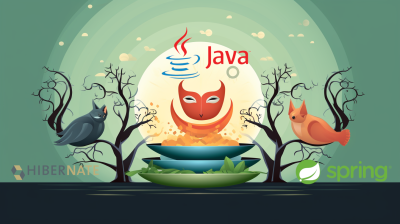
Image generated with Midjourney.


 Polski
  English